We're making the most of this cold, rainy weather at Mountain High North Pole tubing park
 |
| From Tubing video |
|
| From Tubing video |

To this:
"Autumn is a second spring where every leaf is a flower. "
--Albert Camus
It's about time to clear out the spring vegetables and begin preparing the soil for the cool season crops of autumn. My first experience getting my hands in the dirt proved to be fulfilling to the soul and mind. Here are some tips I learned from trial, error and research:
Organic Vegetable Gardening 101
(according to the Fox Den's experiences this last spring)
Good dirt is essential. Loamy, nutrient-rich soil is the key ingredient to a successful garden (along with the basic essentials of fertilizer, compost, and mulch, there are some other optional soil amendments--such as lime, potash, gypsum, etc.--available as well to prepare your vegetable beds). You can purchase your soil, or you can prepare it yourself...just depends on how much money you want to spend.
Proper seed spacing is almost as important as proper soil--especially to root vegetables such as carrots, radishes, and beets. Click here for a glimpse of improperly spaced root vegetables grown in silty-clay soil (poor-draining soil).
Companion planting is both complicated and simple--it remains an experiment of balancing well-practiced methods of companion planting with your own.
Planting companion flowers within your vegetable garden is as aesthetically pleasing as it is beneficial to the success of your garden. Interweaving flowers such as marigolds, alyssum, yarrow, hyssop, borage, sunflowers and calendula into your vegetable beds is a multi-functional arrangement (which benefits the birds, bees, flowers, trees and you). Alyssum and chamomile are frequent re-seeders; they help break up the soil and add to the organic content. Chamomile activates the composting process, and encourages increased essential oil production for strong herbs such as lavender and rosemary. Hyssop, marigolds, and yarrow attract hoverflies, which eat aphids. Marigolds can be nematocytal if grown as a crop cover and tilled in before the plants get too large; they are also believed to deter pests.
Cucurbits (melons & squash) and legumes (beans, peas & sweet pea flowers) are susceptible to mold. Prevention includes removing all portions of the infected plant at first sign of mold growth, disposing of all moldy leaves and stems (do not recycle to mulch or compost). Spray tops and undersides of leaves, stems and soil with soapy solution (consult local nursery for best advice). Try not to water plants directly (water soil only). Click here to see a variety of environmentally-friendly pest control products.
Brassicas / cruciferous vegetables (i.e., cabbage, broccoli, brussel sprouts), leafy greens (ie., lettuce & spinach), and herbaceous perennials (i.e., strawberries & artichokes) are vulnerable to pests such as cutworms, armyworms, and cabbage loopers. These pests can be found on the undersides of leaves and hiding just below the surface soil at the plant base. Use a safe organic pesticide (consult local nursery), &/or apply microscopic nematodes to the soil &/or purchase biocontrol insects such as mini wasp pupae.
Poorly-drained soil &/or over-watered soil makes garden beds vulnerable to fungus gnats. These gnats thrive in moist environments, and can spread rapidly. The larval stage of fungal gnats can damage root systems and spread plant disease. Excess plant debris &/or newly added compost/mulch can attract fungus gnats, so keep beds free of excess debris (and use "older" well-broken down compost, supposedly). Combat with organic insecticides (consult local nursery) &/or biocontrol agents (such as rove beetles). Do not mulch beds with poorly-draining soil (i.e., silty clay) which is watered frequently.
Tomatoes are susceptible to yellow leaf curl virus. This disease can devastate your tomatoes! Prevent yellow leaf curl virus by planting tomatoes from seed, not using soil or beds which grew previously infected plants, controlling whitefly infestations with organic insecticide or biocontrol agents (whiteflies can contribute to spreading of the plant disease), never watering the leaves and stems of the tomato plants directly (this can contribute to spreading from plant to plant), and removing any infected portions of the plant and quarantining it from the rest of the garden. Also, spray a water & milk solution on the top and undersides of the tomato leaves, as well as directly into the soil regularly. Spray beneficial nematodes into the soil.
Ladybugs, hoverflies, praying mantis, lacewings, nematodes and bumblebees are just a small portion of the vast array of beneficial garden insects available for purchase online (and at some local nurseries / supply stores). Use of beneficial insects to combat garden pests is a green way to help keep your plants pest-free and aide crop pollination... Click here to find a very thorough resource on these biocontrol agents.
Tomatoes are host plants to hornworms (tobacco &/or tomato hornworms), which eat the leaves / stems of the tomato plants. Hornworms are the caterpillars which metamorphosize into sphinx moths (hawk moths). Sphinx moths scout out host plants on which to lay their eggs... learn how to identify sphinx moths, and remove them from your garden (transplant elsewhere? :) Sphinx moths are attracted to porch lights at night, and are often mistaken for hummingbirds during the day. Remove the sphinx moths from your garden, and you may not have to worry about picking hornworms off your tomato plants later... it's worked for me so far. (Confession: these large hummingbird-like moths are toys to cats, who will play with them until the moths eventually meet their doom.)
Composting can be addicting! How can a gardener not find appeal in creating one's own nutrient-rich plant medium from recycled kitchen scraps? Added bonus: vermicomposting (i.e., worm tea & worm castings).
Fertilizers are great for maximizing flavor, yeild and size of your vegetables. Click here for a great organic fertilizer. Work out a feeding schedule, and try and stick to it regularly. These liquid fertilizers applied with a folliar pump spray are my favorite: FoxFarm Big Bloom, Tiger Bloom and Grow Big.
Nothing compares to flowers freshly cut from your own garden supply... especially if they are your favorite variety. You can never have too many tomatoes, squash, beans and other good things... gardening is a great way to get to know your neighbors (...sharing is good)!
Try letting some of your flowers, herbs, and legumes go to seed, then clip / collect them when they are dried on the stems--this works especially well for sweet peas, cilantro, dill and beans. If seed pods are not entirely dry, clip and set out in a dry location (in the garage, near the window...) before hulling and storing (plastic baggies and recycled glass jars with lids work well for storage, as long as they are air-tight and dry). Seeds are supposed to last for at least a year, but productivity decreases with time.
Research, seek out, and explore gardening online as well as in the library... there are a lot of great resources out there (Online: You Grow Girl, Urban Homestead, The One Block Diet...Books: Roots, Shoots, Buckets & Boots, This Common Ground, The Backyard Homestead)


 appropriately named: "Mariposa Skies"

 There's a ladybug in my broccoli... quick, take a picture!


This spring the Fox Den will attempt to grow our first garden--complete with fruits, veggies, herbs and... (drum roll, please) a tent. We've got the bamboo stakes, the climbing vines, seed packets, and organic soil. We are planting our seeds in biodegradable egg cartons we've been hoarding over the last few months. Next up: digging up a corner of our lawn (renting a roto-tiller sure sounds tempting) to replace it with compost, manure and whatever else the local nursery advises. I'm also nudging Chief Fox to get a compost container set up (his reluctance on this is due to his fear of attracting roaches... should that be a concern?).
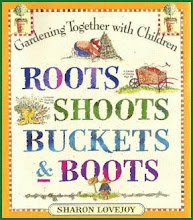
photo credit: Roots, Shoots, Buckets and Boots, copyright 1999 by Sharon Lovejoy


"Just before the death of flowers,
And before they are buried in snow,
There comes a festival season
When nature is all aglow."
- Author Unknown

“But I remember more dearly autumn afternoons in bottoms that lay intensely silent under old great trees”- C. S. Lewis