Showing posts with label Grow. Show all posts

Tuesday, March 9, 2010

Artichokes!

(Sorry, too lazy to rotate the image!)
We have 4 artichoke plants, which have grown monstrously large this past month... I have been so concerned about the artichoke plants overcrowding my strawberries that I didn't think to look for artichoke blossoms (is that what they are?). We ate our first artichoke tonight, and have 2 more baby artichokes that will be ready to eat in about a week. Rigel and Izzy loved dipping the steamed leaves in Veganaise...Yum! Click here for some great ideas on artichokes from our local paper.

Saturday, December 5, 2009

Only in Southern CA...


Who ever heard of winter-time sunflowers and tomatoes? My spring tomatoes are invincible--they won't stop flowering, even in this colder weather!

Our peas are just beginning to produce. So far, they have a tasty sweet flavor.


Saturday, October 3, 2009

Seedlings For the Fall

Beans & Peas

Tomatoes

Brassicas (broccoli, cauliflower, brussel sprouts...)

4 seed trays of 72 seedlings each equates to a lot of veggies... too many to fit into our garden. One entire tray is devoted to tomatoes: Cherokee Purple, Beefsteak, Black Krim, Sweetie (cherry), Garden Peach, Martian Giant, Black Plum Paste, Brandywine & Tigerella varieties. What to do with 72 tomato seedlings? Another tray is all legumes: Alaska, Progress #9, Wando, Green Arrow, & Mr. Big peas, as well as Kentucky Wonder, Contender, Blue Lake 274, and Romano beans. I love the names of all the different varieties, and can't wait to compare the results once they start to produce.

Posted by Picasa

Monday, August 31, 2009

the Creative License


For anyone out there who has ever been inspired by life's little details, I recommend this book by Danny Gregory. He has a couple other great titles (see Everyday Matters), but The Creative License: Giving Yourself the Permission to be the Artist You Truly Are helps you see each day through a whole new set of lenses, and the possibilities begin to seem endless!

"[Danny Gregory] gently instructs us in the art of allowing ourselves to fail, giving up the expectation of perfection and opening our eyes to the beauty around us. The result is...a wild celebration of amateurism, full of humor, passion, and encouragement, sure to inspire every doodler, frustrated writer, wannabe musician, and midlife-crisising executive--in other words, the artist inside every one of us."--Hyperion Books

Excerpt from Everyday Matters:

"...Then one evening, I decided to teach myself to draw...I committed to drawing the things around me, sticking to studies of real things... my first efforts were horrible... But one quiet evening, ... Something about that drawing was different from anything I'd ever done before. I took my time, and then suddenly I zoned out. My mind went blank, my breathing slowed, and when I finally stopped to look at my page, I was amazed that I had managed to create anything so beautiful. At first, it seemed like a fluke... but then I drew the contents of our medicine cabinet (slowly, slowly), and again I saw something new...

What was different was not the drawing but the seeing. I caressed what I drew with my eyes, lingering over every curve and bump, gliding around contours and into shadows. No matter what I looked at in this way, I saw beauty and felt love. It was very weird but it happened again and again. When I slowed way down and let my mind go, I had the same incredibly sensual experience. It didn't matter what I drew. And then I discovered it didn't matter what the drawing was like. In fact, I could simply toss it away, like the skin of a banana. What mattered was the slow, careful gaze." --Danny Gregory, Everyday Matters

P.S. Click here to check out his blog

photo credit: Amazon.com

Sunday, August 30, 2009

Summer Highlights

Though autumn officially begins just shy of a month from now, I am ready-- ready for the cooler weather, fall planting and the fall semester of school (for the kids plus myself). Overall, this has been a satisfying summer... lots of family bonding and fun with friends.
Some lessons learned along the way these past few months:
The messier, the better (when the kids' entertainment is concerned, that is)...
There's always enough time to pull over and enjoy the view (& talk to a goat or two)...
You never know what you may come across on your travels (camels in CA?)...
Firefighters and fireworks are a dangerous combination...
You can never grow out of skinny dipping, pillow fights, or catching frogs, tadpoles & butterflies...
The best meals are improvised (and the more, the merrier!)...
Love knows no boundaries (just ask a preschooler)...
And, no matter how bumpy the road, the beauty's in the details.


"Climb the mountains and get their good tidings. Nature's peace will flow into you as sunshine flows into trees. The winds will blow their own freshness into you, and the storms their energy, while cares will drop off like autumn leaves."
--John Muir

Saturday, August 29, 2009

...the last of our spring garden...

"At the heart of every garden is the perennial cycle that I hesitate to name, 'it is so near to the heart,' of the death and rebirth. Mythologies and cottage wisdom have always linked the span of a human life, or incarnation, with the mysteries of seasons and the soil...my account of life lived on a particular farm is a response to the gesture of a sea breeze or the slap of a rough wind, a language more clearly voiced by catbird or redwing in the cedars, or by the miniature English robin, territorial and eloquent, who would settle on the hilt of my cliff shovel, tiny talons to steel. In that instant, a word appears, as natural as butterfly weed or nettle. And I hear the [ocean] strike sand particle and rock, part of the ground we share, eventual soil." --Scott Chaskey


From that:


To this:

"Autumn is a second spring where every leaf is a flower. "

--Albert Camus


It's about time to clear out the spring vegetables and begin preparing the soil for the cool season crops of autumn. My first experience getting my hands in the dirt proved to be fulfilling to the soul and mind. Here are some tips I learned from trial, error and research:

Organic Vegetable Gardening 101

(according to the Fox Den's experiences this last spring)

Good dirt is essential. Loamy, nutrient-rich soil is the key ingredient to a successful garden (along with the basic essentials of fertilizer, compost, and mulch, there are some other optional soil amendments--such as lime, potash, gypsum, etc.--available as well to prepare your vegetable beds). You can purchase your soil, or you can prepare it yourself...just depends on how much money you want to spend.

Proper seed spacing is almost as important as proper soil--especially to root vegetables such as carrots, radishes, and beets. Click here for a glimpse of improperly spaced root vegetables grown in silty-clay soil (poor-draining soil).

Companion planting is both complicated and simple--it remains an experiment of balancing well-practiced methods of companion planting with your own.

Planting companion flowers within your vegetable garden is as aesthetically pleasing as it is beneficial to the success of your garden. Interweaving flowers such as marigolds, alyssum, yarrow, hyssop, borage, sunflowers and calendula into your vegetable beds is a multi-functional arrangement (which benefits the birds, bees, flowers, trees and you). Alyssum and chamomile are frequent re-seeders; they help break up the soil and add to the organic content. Chamomile activates the composting process, and encourages increased essential oil production for strong herbs such as lavender and rosemary. Hyssop, marigolds, and yarrow attract hoverflies, which eat aphids. Marigolds can be nematocytal if grown as a crop cover and tilled in before the plants get too large; they are also believed to deter pests.

Cucurbits (melons & squash) and legumes (beans, peas & sweet pea flowers) are susceptible to mold. Prevention includes removing all portions of the infected plant at first sign of mold growth, disposing of all moldy leaves and stems (do not recycle to mulch or compost). Spray tops and undersides of leaves, stems and soil with soapy solution (consult local nursery for best advice). Try not to water plants directly (water soil only). Click here to see a variety of environmentally-friendly pest control products.

Brassicas / cruciferous vegetables (i.e., cabbage, broccoli, brussel sprouts), leafy greens (ie., lettuce & spinach), and herbaceous perennials (i.e., strawberries & artichokes) are vulnerable to pests such as cutworms, armyworms, and cabbage loopers. These pests can be found on the undersides of leaves and hiding just below the surface soil at the plant base. Use a safe organic pesticide (consult local nursery), &/or apply microscopic nematodes to the soil &/or purchase biocontrol insects such as mini wasp pupae.

Poorly-drained soil &/or over-watered soil makes garden beds vulnerable to fungus gnats. These gnats thrive in moist environments, and can spread rapidly. The larval stage of fungal gnats can damage root systems and spread plant disease. Excess plant debris &/or newly added compost/mulch can attract fungus gnats, so keep beds free of excess debris (and use "older" well-broken down compost, supposedly). Combat with organic insecticides (consult local nursery) &/or biocontrol agents (such as rove beetles). Do not mulch beds with poorly-draining soil (i.e., silty clay) which is watered frequently.

Tomatoes are susceptible to yellow leaf curl virus. This disease can devastate your tomatoes! Prevent yellow leaf curl virus by planting tomatoes from seed, not using soil or beds which grew previously infected plants, controlling whitefly infestations with organic insecticide or biocontrol agents (whiteflies can contribute to spreading of the plant disease), never watering the leaves and stems of the tomato plants directly (this can contribute to spreading from plant to plant), and removing any infected portions of the plant and quarantining it from the rest of the garden. Also, spray a water & milk solution on the top and undersides of the tomato leaves, as well as directly into the soil regularly. Spray beneficial nematodes into the soil.

Ladybugs, hoverflies, praying mantis, lacewings, nematodes and bumblebees are just a small portion of the vast array of beneficial garden insects available for purchase online (and at some local nurseries / supply stores). Use of beneficial insects to combat garden pests is a green way to help keep your plants pest-free and aide crop pollination... Click here to find a very thorough resource on these biocontrol agents.

Tomatoes are host plants to hornworms (tobacco &/or tomato hornworms), which eat the leaves / stems of the tomato plants. Hornworms are the caterpillars which metamorphosize into sphinx moths (hawk moths). Sphinx moths scout out host plants on which to lay their eggs... learn how to identify sphinx moths, and remove them from your garden (transplant elsewhere? :) Sphinx moths are attracted to porch lights at night, and are often mistaken for hummingbirds during the day. Remove the sphinx moths from your garden, and you may not have to worry about picking hornworms off your tomato plants later... it's worked for me so far. (Confession: these large hummingbird-like moths are toys to cats, who will play with them until the moths eventually meet their doom.)

Composting can be addicting! How can a gardener not find appeal in creating one's own nutrient-rich plant medium from recycled kitchen scraps? Added bonus: vermicomposting (i.e., worm tea & worm castings).

Fertilizers are great for maximizing flavor, yeild and size of your vegetables. Click here for a great organic fertilizer. Work out a feeding schedule, and try and stick to it regularly. These liquid fertilizers applied with a folliar pump spray are my favorite: FoxFarm Big Bloom, Tiger Bloom and Grow Big.

Nothing compares to flowers freshly cut from your own garden supply... especially if they are your favorite variety. You can never have too many tomatoes, squash, beans and other good things... gardening is a great way to get to know your neighbors (...sharing is good)!

Try letting some of your flowers, herbs, and legumes go to seed, then clip / collect them when they are dried on the stems--this works especially well for sweet peas, cilantro, dill and beans. If seed pods are not entirely dry, clip and set out in a dry location (in the garage, near the window...) before hulling and storing (plastic baggies and recycled glass jars with lids work well for storage, as long as they are air-tight and dry). Seeds are supposed to last for at least a year, but productivity decreases with time.

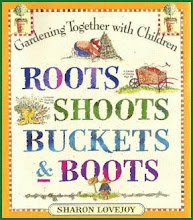
Research, seek out, and explore gardening online as well as in the library... there are a lot of great resources out there (Online: You Grow Girl, Urban Homestead, The One Block Diet...Books: Roots, Shoots, Buckets & Boots, This Common Ground, The Backyard Homestead)
Sunday, August 23, 2009

Too Many Tomatoes


Our garden is overflowing with tomatoes... I planted 25 tomato seedlings into our raised beds, and every single one is flourishing. Now, why plant so many tomatoes? Because one teeny tiny tomato seed looks so harmless when it is first sewn. I had no idea just how big and productive those seeds would become!

The varieties growing in our garden this summer are all heirloom: Brandywine, Tigerella, Roma, Black Krim, Peach, and Red Calabash.

Giving the tomatoes away to neighbors only worked for so long, and then it was time to get creative (can't have salad, marinara, and salsa every day!).

This tomato pie turned out delicious:

1 package refrigerated pie crust (not deep dish)
Approx 5 large tomatoes (give or take), sliced thin
Kosher salt (coarse)
1 small-med sized leek
2 TB butter
1/2 C combined grated Parmesan and mozzarella cheese
1/2 C grapeseed oil Veganaise
1 large egg, lightly beaten
fresh ground pepper

Pre-heat oven 375 degrees. Place tomato slices on paper-towel lined wire rack, and sprinkle with kosher salt. Let stand 20 minutes. Pat dry (dab top and bottom surfaces) with paper towels. Remove / discard root end and dark green top of leek. Cut in half lengthwise and rinse under running water to remove grit and sand. Thinly slice leek.
Saute leek in butter until tender (3-5 minutes). Layer leeks/butter on bottom of pie crusts. Layer tomatoes over the leeks, sprinkle with pepper.
Blend cheese, vegenaise and egg in bowl, then pour mixture over top of tomatoes.
Bake 375 degrees for 30 minutes (or until thoroughly heated and top is crusty golden color).
Makes 2 shallow pies.
(recipe adapted from Southern Living magazine)

Friday, August 14, 2009

Gardenias are blooming...

I remember going to my Japanese grandmother's house when I was little... rarely was she without gardenias in her home. She would cut the blossoms from her front yard, and float them in shallow black bowls of water. The following review is not exactly reminiscent of a trip to Grandma's house, but it left my nose detecting subtle hints of the delicious flower while reading this fan's take on a fragrance called Fracas:


"'Fracas' opens on a tart, fleshy gardenia note that has retained its buttery carnality, while having all sweetness removed. It's floral without the powder and deepens into something spicier as the fragrance unfurls. A slightly sweet, oily-rich jasmine enters, followed by a very naughty-smelling, rubbery tuberose. The tuberose is intense and hasn't been softened or powdered down by any gentle florals, so at times, 'Fracas' smells like exotic flower petals mashed onto hot flesh. It finally dries down into a velvety-smooth, subtle spiced and simmered fruit note, tempered by quiet woods. 'Fracas' has an over-ripe, very retro feel to it---but retro to a specific time and place: Late 40's - early 60's fashion. I can't imagine it existing before or being introduced after that time period. It reminds me of the kind of glamour that requires seeing a hairdresser once a week with no washings in-between or stockings, girdles and lipstick; chiffon house robes and negligee sets. It evokes worn-in makeup and undergarments--a very ripe, retro femininity--coiffed hair, cigarettes and scotch..."


Wow. Intense description... fragrances are fun to fantasize about.

Some more fragrances on my list to experience: Marc Jacobs, Michael Kors, Carnal Flower, Kai, Creed Tubereuse Indiana, and Voluspa Fleurs de Fete... all are gardenia scented fragrances


The List: celebrities and their fragrances... (I don't really care who's wearing what, but some people find it interesting)


Click here if you are cheap (like me) and would rather learn how to make your own gardenia fragrance from the garden

photo credit: Sephora

Saturday, July 25, 2009

The Buzz (...on bees)

The latest Sunset magazine issue (August 2009) featured an article called "Hive Minds," and it's worth a trip to the grocery store if you aren't already a subscriber. The article isn't accessible online, but here's "the gist:"
"As honeybees around the world vanish, one Bay Area biologist is enlisting an army of backyard gardeners to help figure out why...the concept is simple: free 'Lemon Queen' sunflower seeds [are distributed] for people to plant in their yards. In return, once the flowers bloom, the recipients report back any bee-related activity. 'Sunflowers are easy to grow and wildly attractive to bees...You're basically handing over a thermometer that allows people to measure how their garden is doing.' [The Sunflower project] recently partnered with Cornell University on the Birds & Bees Challenge, which helps young people between the ages of 7 and 17 rediscover nature in their own neighborhoods, becoming amateur scientists, photographers, and artists."
Click here for more info.
Also, for avid gardeners and wannabe farmers, here's a blog worth following (it even includes more info on bees):
Sunset's
"We're writing about how we've used our garden expertise to grow just about everything we need, in a plot actually much smaller than a block—more like what most of us have at home: a suburban back yard. Then we're using our produce to cook a series of seasonal feasts. Last summer, we had our first dinner. Right now we're working on a winter garden, with feast to follow.
We're not just growing plants, though. To make our dinners more interesting (and tasty), we're raising chickens (for eggs). We've made beer, and wine, and vinegar. We're making cheese (from 'imported' milk, but who knows, maybe a cow is in our future) and olive oil and honey. We've even made salt (from ocean brine), because how can you cook without seasoning? If you're a DIY kind of person, someone who thinks that dinner starts with the earth, the sea, and a few animals, this blog (and our accompanying how-to guides) can you help you put together your own made-from-scratch meals.
To follow the adventures of Teams Garden, Kitchen, Bee, Chicken, Beer, Cheese, Wine, Vinegar, Salt, and Olive, see the links under 'Categories' ... We'll probably be adding more projects as we move into different seasons."
And, for die-hard nature lovers, a "bee books" link for "those charmed by bees" (click here).

Saturday, July 18, 2009

Adorably Green


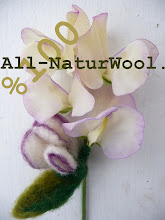
Hand-made and crafted of wool felt--doesn't get much cuter than this! Click here for more info.

Friday, May 29, 2009

Confused Carrots


Above is an example as to why good dirt is essential for a successful kitchen garden. Unfortunately the dirt in our garden consists mostly of silty clay.
When grown in ideally loamy soil, carrots don't turn out so... freakishly beautiful.

Saturday, May 23, 2009

Pests welcome!

Attention all cabbage loopers, army worms, webworms, diamond back moths, grasshoppers, slugs, aphids, fungal gnats, and all other damaging insects! Available vacancy at The Fox Den Garden; dining accommodations included.

I don't know which got here first (us or them), but anything chewing up our garden will either be food for praying mantises and ladybugs, or disposed of organically. Also, my 4-year old son, Rigel, likes adding new caterpillars to his bug jar...he's got quite the collection of cabbage worms and loopers.
When I think about it, nearly each and every plant in our vegetable garden was selected by myself or the kids for its enticing seed packet, then nurtured, obsessed over and observed every day since. We deserve to be a bit overprotective, right?
In other words, bring it on, bugs and worms.
Exception: Monarch caterpillars. Ever since our milkweed has bloomed, we've been keeping an eye out for those tiny monarch caterpillar eggs found hidden on the bottom of of the leaves. We finally found a few this morning! Last year we raised about 15 monarchs from caterpillar to butterfly outside our kid's window, and it was fascinating.
Adult caterpillars left behind only the stems of each plant--I had to buy more milkweed just to accommodate their voracious appetite!
This year we'll just be observers
(and hope we planted enough milkweed).
The best part of the project was releasing the butterflies...after their wings dried out (and after Mommy put down the camera).

I tried not to pay attention to the lovely black swallowtail butterfly that was laying eggs in our carrot greens this month, but of course--our carrot bed has now become a swallowtail butterfly habitat. I've counted 2 caterpillars, so far.

P.S. check out this charming Monarch butterfly on Etsy... it's handmade wool felt and can be a pin or a hair clip. I'm trying hard not to buy it, but I don't know how long that's going to last.

photo of felt butterfly credit: Etsy

Friday, May 22, 2009

Iris season is ending...


Superstition Iris Gardens in Cathey's Valley has been visited annually by my mom for a few years now, and now she's got me hooked. Rick and Roger own the gardens, and they've also created a few of their own iris varieties. They run a very welcoming business, with over 1,000 different live irises on display--all labeled and included on an alphabetized price list. Ask either Rick or Roger where any iris from the price list is located, and the approximate location (amongst the rows and rows of color) can be pointed out in seconds. These guys definitely know their irises! Click here to view their iris photos online.

Here's a couple of my favorites:
appropriately named: "Mariposa Skies"

Planning a trip to Yosemite National Park next spring? If so, be sure to stop by and visit Superstition Iris Gardens. It's located about an hour from Yosemite, and is open through early May.
(Sorry, San Diegans... you'll have to wait until next year--but it'll be worth the drive!)

Thursday, May 21, 2009

Sweet Peas

I am loving our sweet peas, especially our 'High Scent' variety, which smells divine. I thought gardenia was my favorite floral fragrance, but these intoxicating blooms have won me over. I'm definitely smitten with these creamy, lavender-tinged blossoms--wish I could bottle up their scent and wear it. Sweet Pea 'High Scent' (Lathyrus odoratus) seed packets are available here.
Another favorite sweet pea is the pink-and-purple-clad one (above right)--not the blossoms, but my baby girl! She's peeking through our flower tee pee while I'm admiring our 'Perfume Delight' variety sweet peas... lovely fragrance and colors, but 'High Scent' still takes the cake.

Speaking of sweet peas, I'm also loving my hand-made pea pod necklace... one pea for each of my kiddos. Choose pendants with one to seven peas in a variety of colors from Rachel Sudlow.

jewelry photo credit: Etsy

Radishes recipes, anyone?

So, here we are with lots of radishes from our garden and not a clue as to what to do with them. Salads? Well, my kids aren't big on salads, and as far as I know, the only other thing radishes can be used for is a garnish. Ideas?

Heads up: we are soon to be harvesting daikon (Japanese radish) and turnip (which confuses me because my Japanese grandmother always called turnips "daikon")... more unfamiliar veggies for our family... sure would love to convince my kiddos of how yummy home-grown can be--if only I knew what to do with everything!

Stainless Steel Baby Bottle.

My kids have been off bottles for a while now, but if I had a newborn and weren't able to breastfeed %100 of the time, I would definitely consider these stainless steel bottles. They are BPA, PVC and phthalate free (harmful chemical compounds found in plastic). Lots of different designs are available, and they are lightweight and non-leaching. I'm impressed, and maybe missing newborn motherhood a little bit. But, I have enough to smile about with my two little ones!
photo from: www.organickidz.ca

Catch the sun in a mason jar!

At first when I came across this product, I thought it was charming idea, (though the reviews on Amazon.com were pretty disappointing). It's basically a genuine mason jar with an inner solar light. It holds a soft, sunny-colored glow at night (and charges in the sun during the day).
These would be great for outdoor summer evenings, so why not try and make them ourselves?
It's pretty easy--just purchase a mason jar with attached lid (ex: Ikea), some glass frosting spray, cheap solar garden light, and some Blue Tak. Click here for the tutorial.

Saturday, May 9, 2009

Crack open this Mother's Day gift!


Rather than the conventional Mother's Day flowers, I got my mom these Egglings, in spirit of her new baby chickens (all 5 of them!)... Mom's got 2 yellow chicks, 1 black chick, and 2 brown chicks that lay blue eggs. I don't remember the official names of the breeds she selected, but they sure are cute!

Thursday, May 7, 2009

Seasons on an Organic Farm

"An elegy to the land and to the creatures who inhabit it...the book is also a gardener's bible." --Anne Raver, THE NEW YORK TIMES
Also, check out this interview of the author.

Thursday, April 30, 2009

Where's the Ladybug?


There's a ladybug in my broccoli... quick, take a picture!


Join the nationwide hunt for ladybugs... specifically, the elusive 9-spotted ladybug, which was once very common but has become extremely rare. In 2006, a 9-spotted ladybug was found in the North Eastern U.S--the first to be "spotted" in 14 years!


The National Science Foundation has granted Cornell University $2 million for the Lost Lady Bug Project, which encourages children and adults to go out and capture (or observe) ladybugs, photograph them, and then email the photos to Cornell University. Researchers will use these photos to help determine what species are still out there and how many are left. Quoting Cornell's Lost Ladybug Project website: "This is the ultimate summer science project for kids and adults! You can learn, have fun and help save these important species."